Liz Brooke-Ward
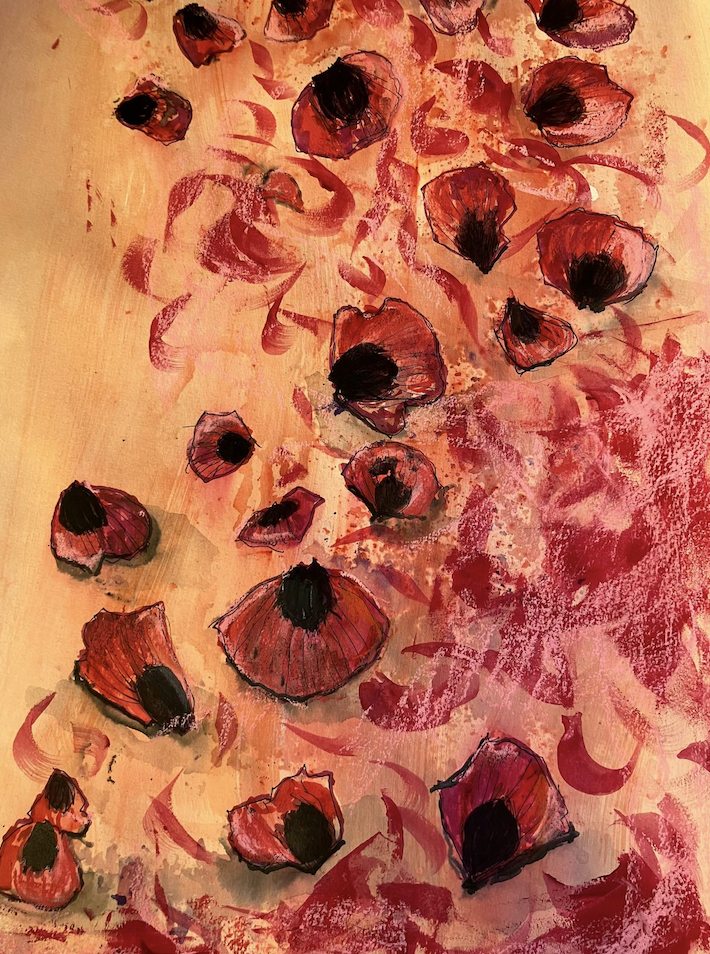
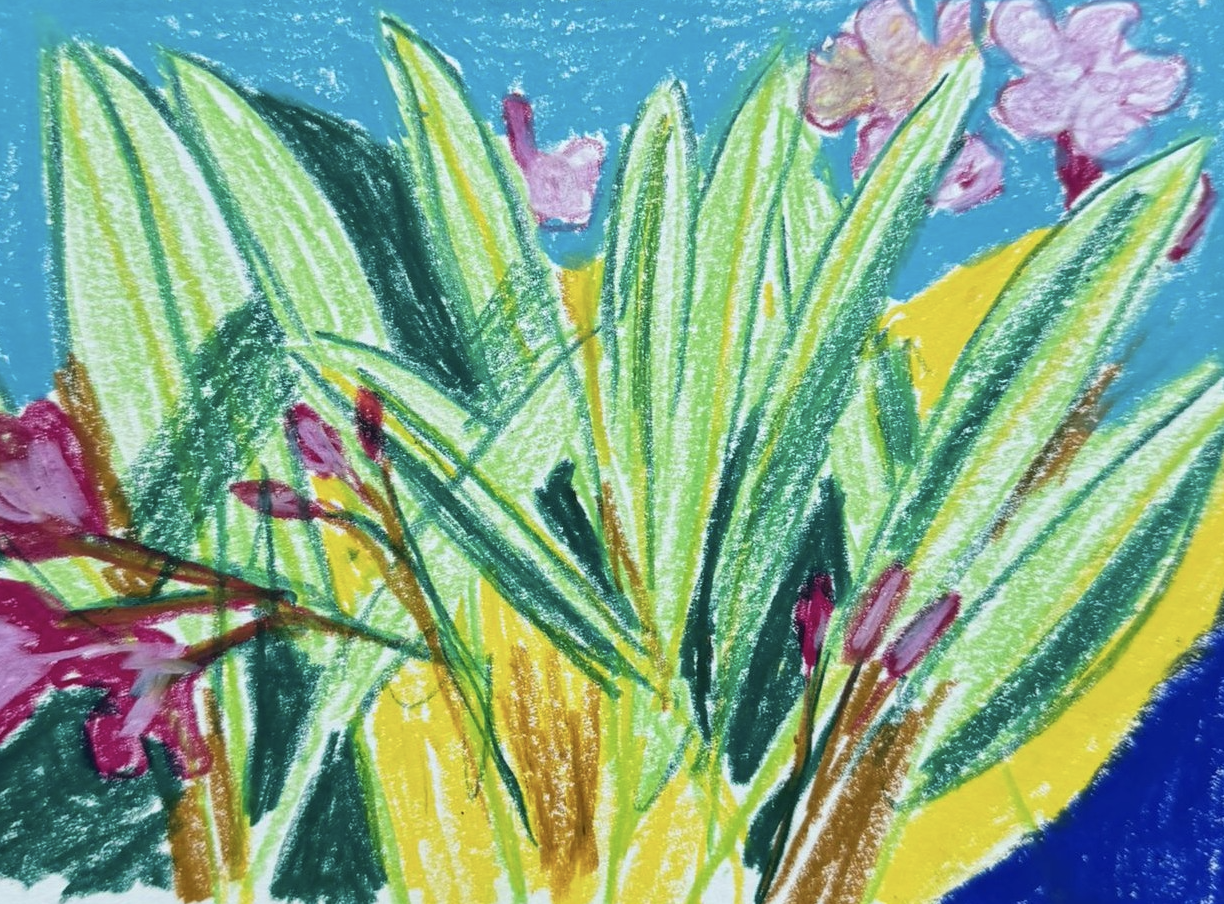
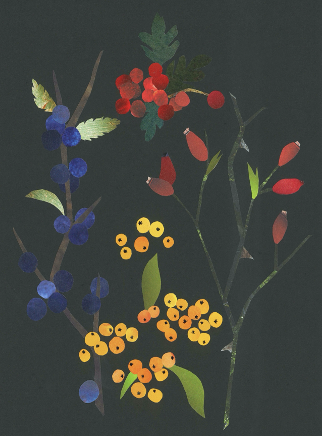
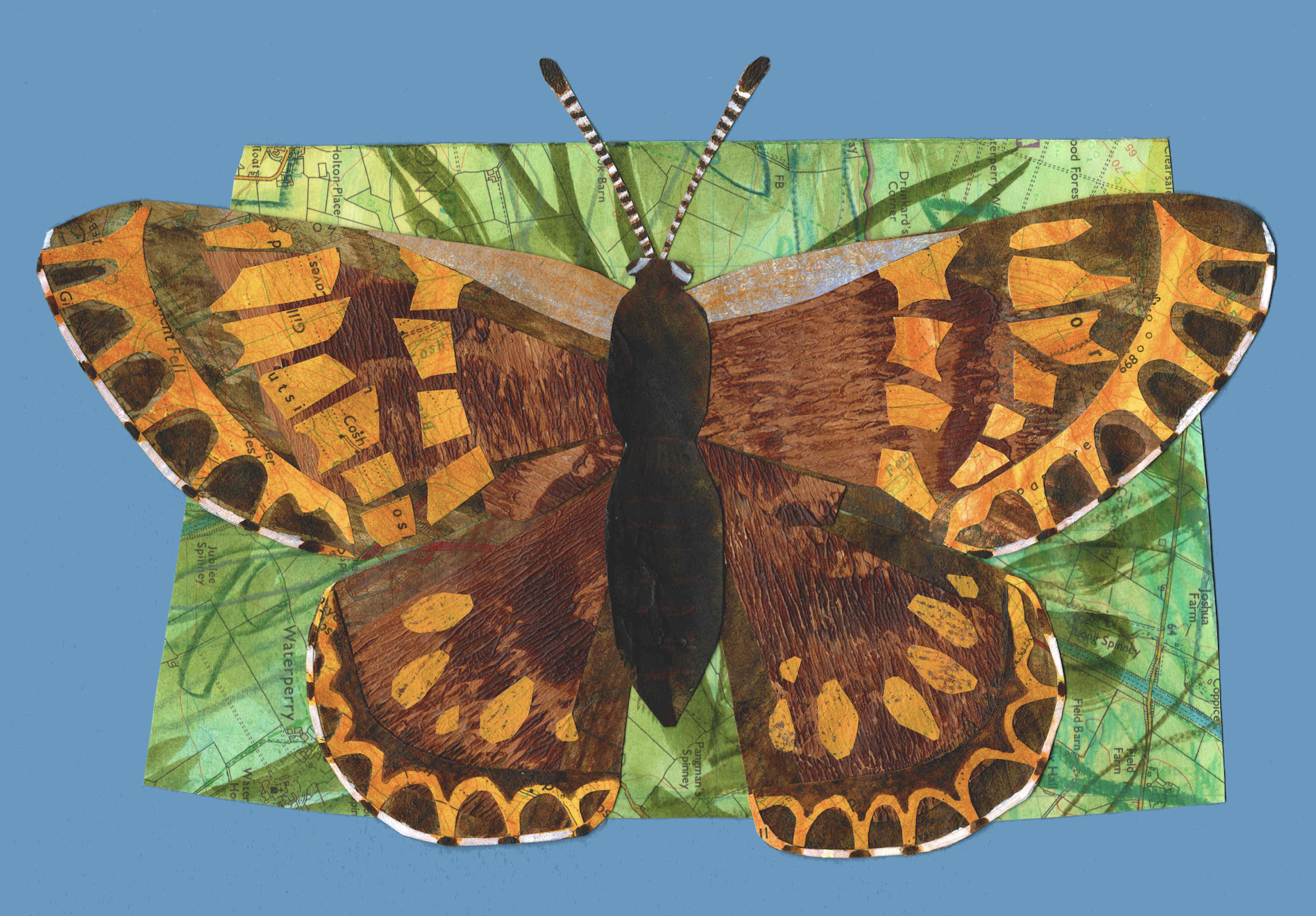
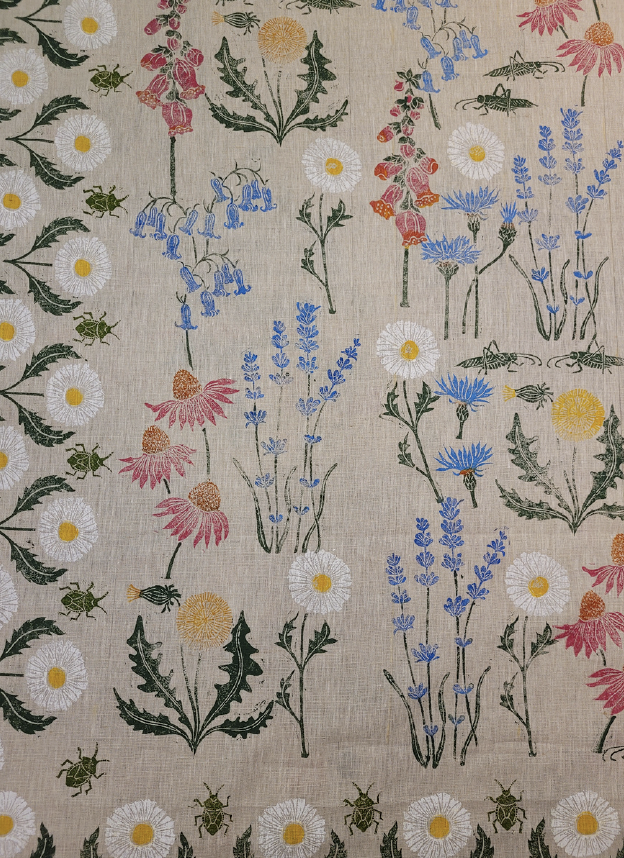
‘My inspiration comes from the natural world, discovering the beauty of closely observed organisms and portraying these in fabric and stitch, which is my passion.
I’m particularly interested in pattern and form in nature.
It’s important to me that I reuse textiles where possible, repurposing them with dye, paint, print and stitch to create new pieces of work.
Writing and poetry often play a part in the process both as an inspiration and with text as a design tool.
I hope people are intrigued by the subject and process when they view my work and are encouraged to celebrate the wonder of nature in their own way.’
Ronnie Broadley
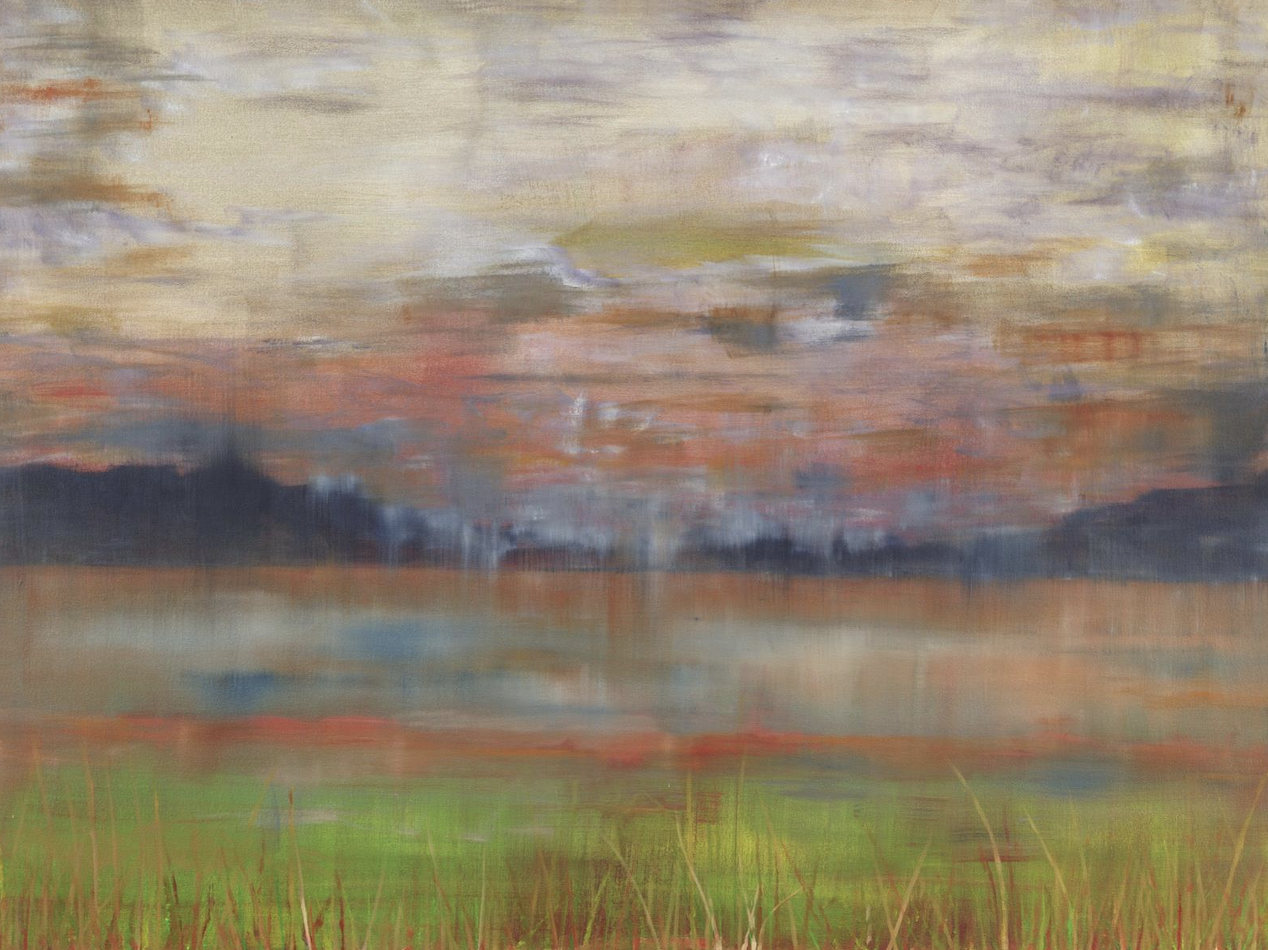
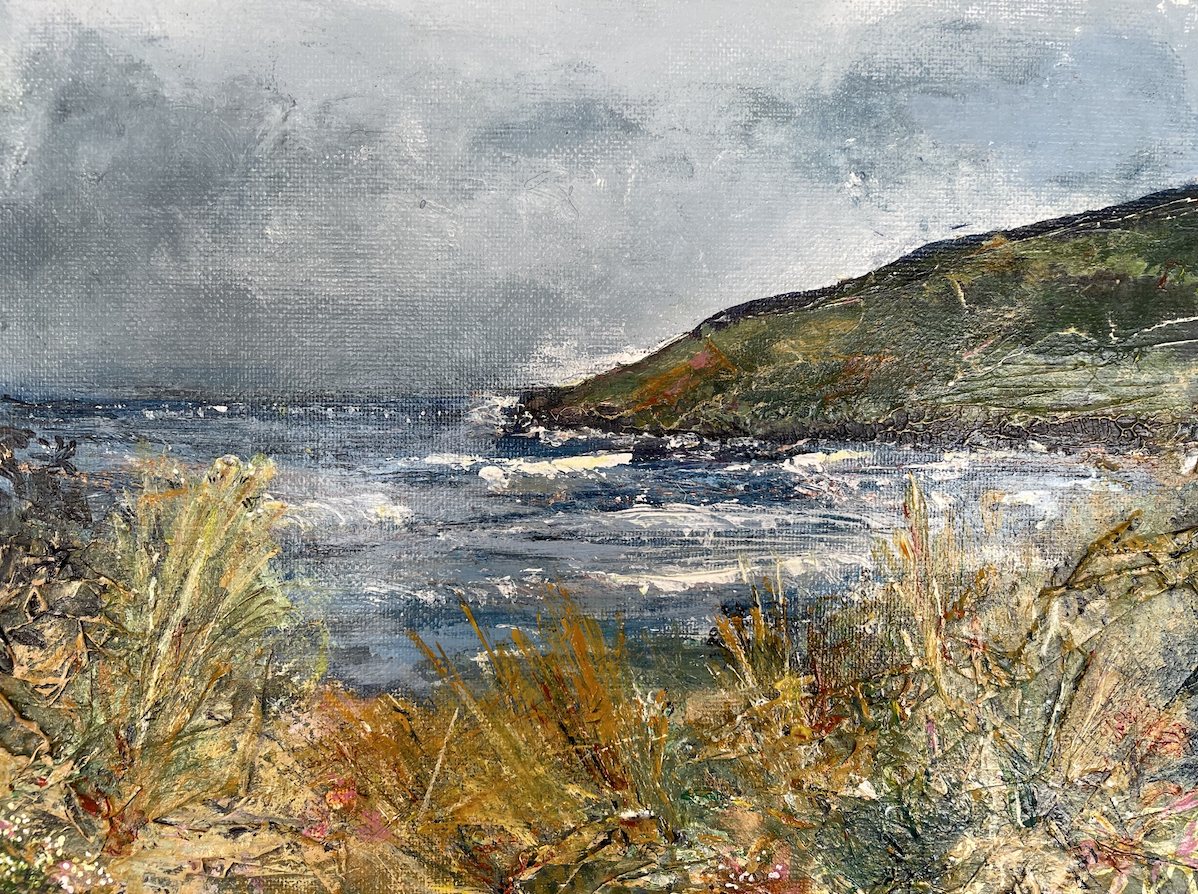
‘I have been working with linen and earth pigments, to try to recreate the atmosphere brought by weather conditions in big empty spaces, such as my local beach. It is amazing when winter and summer storms descend on to the land. Another big space that I like to use is inland on the Somerset levels.
Mainly linen and cotton threads are used with simple, hand stitch.’
Liz Hewitt
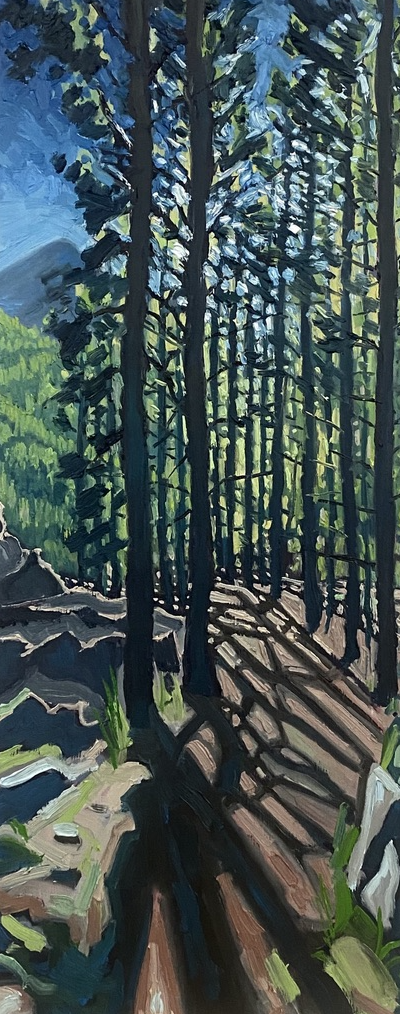
‘My work stitches together the quiet resilience and delicate transience of the natural world, with a focus on the unseen relationship between trees and mankind; and the belief that we should live in harmony with nature. As a textile artist and book maker, I am guided by the forms, colours, and textures of trees—their branching lines, their scars, the seasonal changes and their quiet strength that can soothe, inspire and sustain us, both physically and spiritually.
Each piece begins with gathering leaves, bark, and earth pigments collected from my surroundings which become both material and memory. Through natural dyeing, stitching, and binding, these elements are transformed into tactile records of place and time.
The exhibition theme, Natural Thread, speaks to the physical and emotional connections that bind us to the environment. I view every thread as a living line—linking human hand to the natural world. My practice is grounded in slowness and attention, echoing the rhythms of growth and decay that shape both fabric and woodland.
In each work, fragility is not a weakness but an essential truth: a reminder of interdependence, impermanence, and care. Through cloth and paper, I seek to honour the quiet voice of nature—asking how we might live and create in ways that repair rather than consume, and listen rather than take.’